Marriage Counselling
Navigating challenges and growing together in your marriage.
What is Marriage Counselling?
Marriage can evolve significantly over time. Changes in careers, family responsibilities, parenting, finances, intimacy and individual needs can affect how partners communicate and connect with one another.
When difficulties become difficult to resolve together, marriage counselling provides a supportive and neutral space for married couples to understand what is happening within their relationship, work through challenges and explore healthier ways of moving forward. Our marriage counselling services in Singapore support couples through different stages of married life, from navigating ongoing conflict and communication difficulties to rebuilding trust, strengthening emotional connection or adjusting to major life changes.
When Can Marriage Counselling Help?
Couples may attend counselling to address an existing concern, navigate a major transition or strengthen their relationship. Marriage counselling may be helpful when you and your spouse are experiencing:
- Frequent arguments or recurring unresolved conflict
- Communication difficulties or misunderstandings
- Emotional distance or a loss of connection
- Trust issues or betrayal
- Infidelity and its impact on the marriage
- Changes in intimacy or affection
- Parenting and co-parenting disagreements
- Financial stress or differences around money
- Differences in expectations, priorities or values
- Challenges involving extended family or in-laws
- Work stress affecting your relationship
- Major life changes or transitions
- Difficulty balancing individual and family needs
- Thoughts about separation or uncertainty about the marriage
Marriage counselling can also be proactive. Some couples seek therapy not because their marriage is in crisis, but because they want to communicate better, understand each other more deeply or strengthen their relationship as their lives change.

Our Therapeutic Approaches
Our clinicians draw from a range of evidence-based therapeutic approaches depending on your needs, including:
Cognitive Behavioural Therapy (CBT)
Helps identify and change unhelpful thinking patterns and behaviours.
Emotionally Focused Therapy (EFT)
Explores the emotional patterns and attachment needs that influence how partners respond to one another.
Solution-Focused Therapy
Focuses on practical strategies and achievable goals to create positive change.
The Gottman Method
Focuses on strengthening friendship and intimacy, improving communication and developing healthier approaches to managing conflict.
What to Expect
Your first marriage counselling session provides an opportunity for your therapist to understand your relationship, relevant history, current concerns and what each partner hopes to gain from counselling. Both you and your spouse will have space to share your experiences and perspectives in a neutral and supportive environment.
As counselling progresses, your therapist may help you recognise recurring patterns in communication, conflict and emotional connection, while exploring the underlying concerns that may be contributing to difficulties in the marriage.
Depending on your goals, sessions may also introduce practical strategies to improve communication, navigate disagreements, rebuild trust and strengthen your connection. The counselling process is tailored to your relationship, circumstances and goals.
Marriage Counselling for Different Stages of Married Life
Marriage can present different challenges at different stages.
Newly married couples may be adjusting to shared responsibilities, expectations and family dynamics. Couples with children may find that parenting responsibilities, limited time and changing priorities affect their relationship. Longer-term marriages may experience changes in intimacy, communication or individual needs as partners move through different phases of life.
Marriage counselling provides space to recognise these changes and explore how your relationship can adapt alongside them.
Our Therapists

CHARMAINE JALLEH
Counsellor
Specialisations
Parental Wellbeing, Trauma, General Mental Health
Counselling Style
Gentle, Warm, Calm, Patient, Assuring
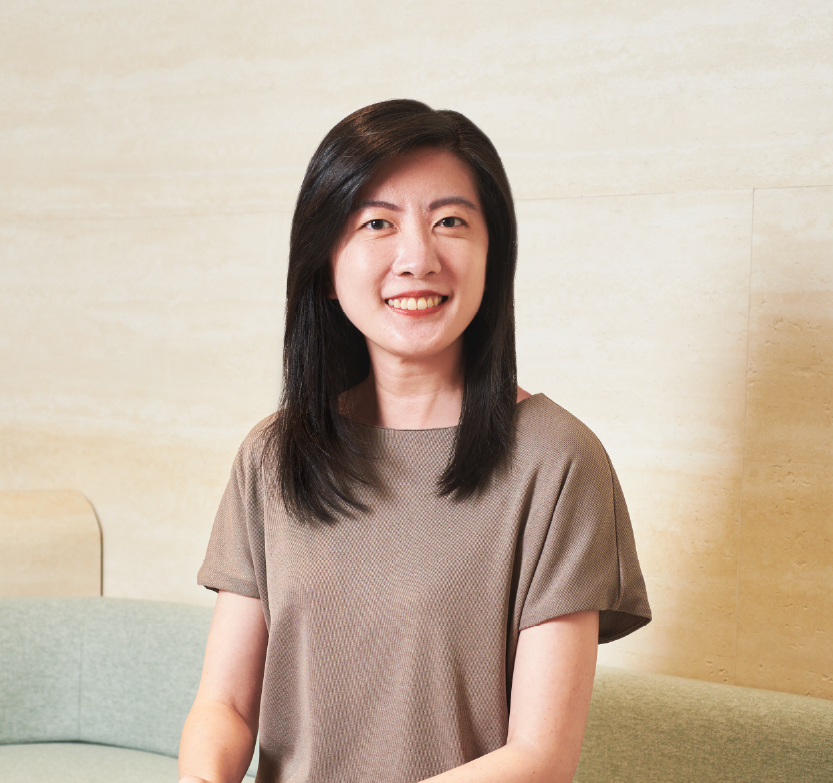
CHARMAINE LIM
Senior Counsellor
Specialisations
Anxiety, Depression, Emotional Regulation
Counselling Style
Gentle, Patient, Soft, Inquisitive, Exploratory
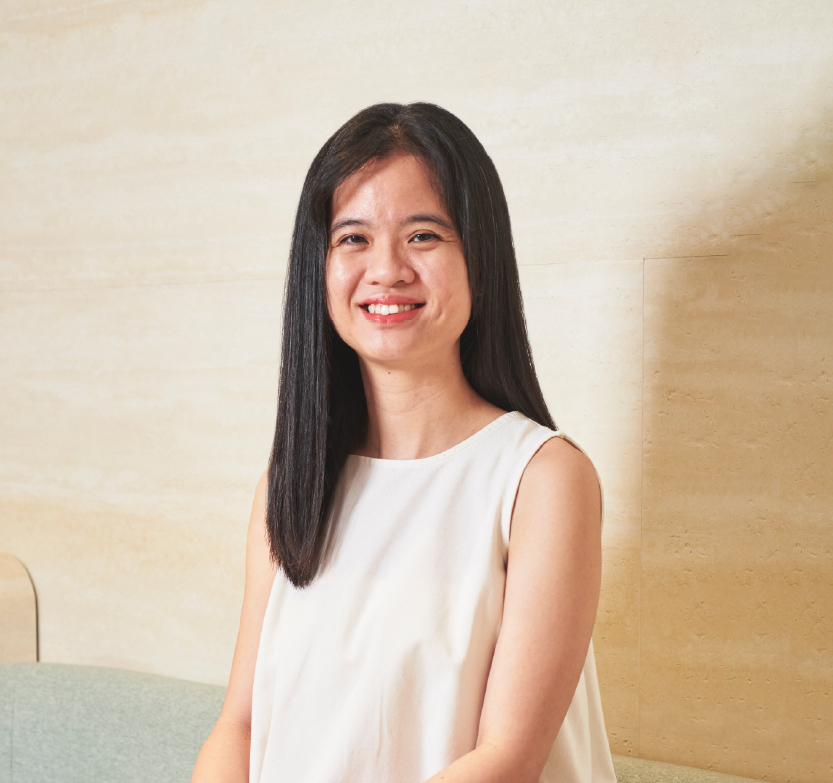
JUEN TEIN TIONG
Counsellor
Specialisations
Anxiety, Complex Trauma, Life Transitions & Change Management
Counselling Style
Patient, Sensitive, Reflective, Conversational, Collaborative

ANDREA TEOH
Counselling psychologist
Counselling Style
Warm, Thoughtful, Collaborative

DARSHINI NITHIANANTHAM
Senior Clinical Psychologist

DEIRDRE LIM
Counsellor
Counselling Style
Safe, Supportive, Non-judgemental, Warm

ELAINE SEAH
Specialisations
Loss, Grief, Bereavement, Psycho-Oncology
Counselling Style
Non-directive, Respectful, Curious, Relational, Working with the unconscious mind

GAYATRI SATISH
Counsellor
Specialisations
Depression, Anxiety, Family & Dyadic Work (Parent-Child Dynamics)
Counselling Style
Cheerful, Positive, Gentle, Creative, Grounded

MICHELLE CHUA
Clinical Psychologist
Specialisations
ADHD, Neurodivergent, Self-esteem, Image and identity development
Counselling Style
Gentle, Compassionate, Optimistic, Inquisitive, Warm

MOK SIN LAI
Counsellor
Specialisations
Couples, Parent-Child Relationship, Infidelity, Communication, Conflict Management

SHAWN SOH
Lead Counsellor
Specialisations
Digital Addiction, Behaviour Modication, Anger Management & Emotional Regulation
Counselling Style
Nurturing, Collaborative, Future-Oriented, Attachment-Based

SONG ERN TAN
Counsellor
Specialisations
Couples & Marriage, Family Conflict & Resolution
Counselling Style
Friendly, Warm, Attentive Listener, Jovial, Constructive Ideator

THOMAS TOH
Counsellor
Specialisations
Identity Development, Personality & Performance, Stress Management
Counselling Style
Open-Minded, Inquisitive, Humorous, Practical, Organized
No staff match the selected filters.
THE GIFT OF WELLBEING
Gift the most profound gesture of care – an invitation to emotional clarity guided by the Keepers of Wellbeing.

FAQ
The journey begins with transparency. We have gathered the most common inquiries regarding our philosophy and operational standards.
Couples counselling can support partners at any stage of a relationship, including dating, engaged and unmarried couples. Marriage counselling focuses specifically on the experiences and challenges that may arise within marriage. The therapeutic approaches used can overlap considerably.
Couples can seek marriage counselling at any stage. Some attend because they are experiencing persistent conflict, communication difficulties, trust concerns or emotional distance, while others use counselling proactively to strengthen their relationship or navigate a significant life transition.
Marriage counselling may provide a structured environment for couples to explore the impact of infidelity or a breach of trust. Therapy can help both partners communicate about what has happened, understand its impact and consider how they want to move forward.
Recurring arguments can sometimes reflect deeper patterns of communication, unmet needs or unresolved concerns. Marriage counselling can help couples identify these patterns and explore different ways of responding to each other.
While marriage counselling generally involves both partners, you can still seek individual counselling to explore your own feelings, experiences and concerns about your relationship.
There is no standard number of sessions. The duration of marriage counselling depends on the concerns being addressed, your goals and how the counselling process progresses.
Marriage counselling is generally confidential, subject to professional, ethical and legal requirements. Your therapist will discuss confidentiality and its applicable limits with you.